PHYSIOBOOK – physical therapy and rehabilitation
Clear, evidence-informed information about physical therapy, rehabilitation, health and sport.

Fresh from the editors
Latest articles


Find the right topic
Key areas
17
Physical therapy
Treatment methods, exercises and professional approaches to recovery.
Explore area 34Conditions and injuries
Clear guides to symptoms, treatment and rehabilitation.
Explore area 4Nutrition
Practical guidance about nutrition and healthy habits.
Explore area 9Medical dictionary
Quick, accessible explanations of medical terminology.
Explore areaTreatment methods, exercises and professional approaches to recovery.
Physical therapy

R.I.C.E. (Rest, Ice, compression, elevation)
R.I.C.E. (REST, ICE, COMPRESSION, ELEVATION) treatmant is the most important thing you have to do in the first few days after injury. Nice weather brings more outdoor sports and recreational activities,… Read article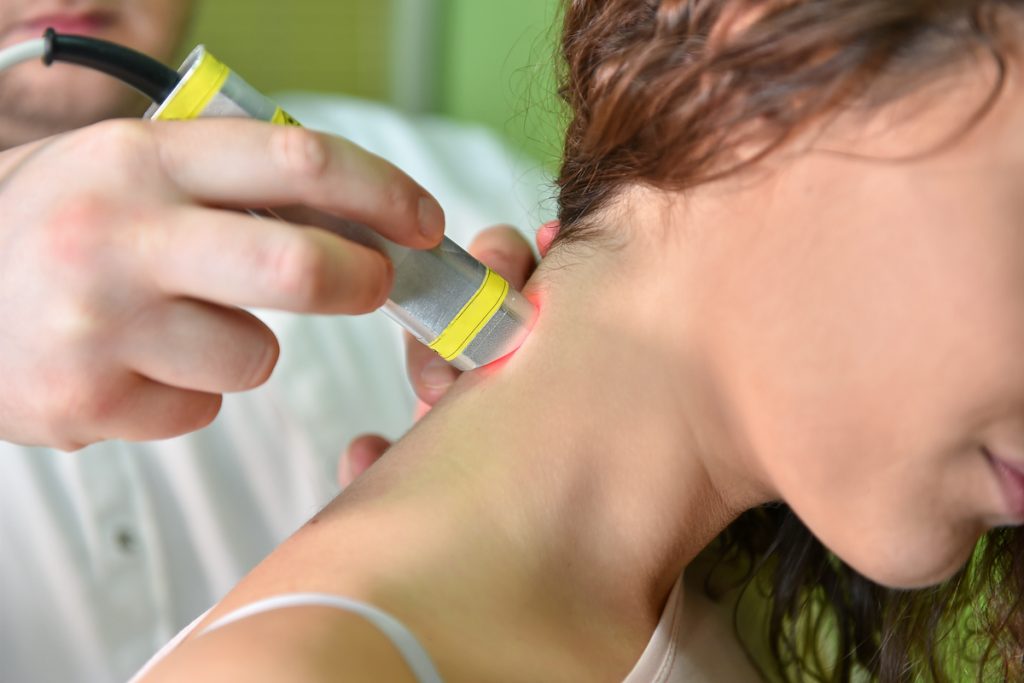
HIRO-HILT therapy – laser therapy
HILT therapy or high intensity laser therapy is conducted with HIRO devices. HIRO device is considered one of the most modern laser… Read article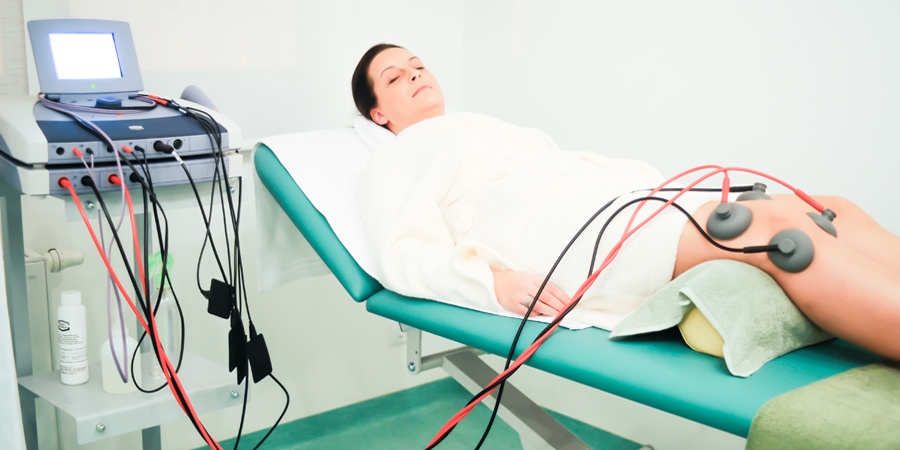
Interfering current – interferential therapy
Interfering (Nemec) current is created from two sinusoidal alternating currents overlapping in intensity, phase, and frequency. It happens in deep tissue. Interfering current is… Read article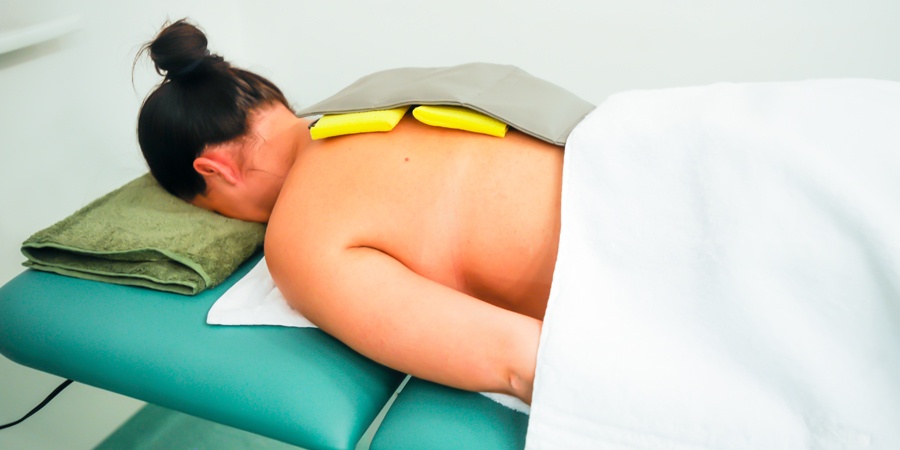
Galvanization therapy
Galvanization therapy is a term for constant direct current, named after Luigi Galvani from Bologna in 1889, used in therapy since the… Read article
Magnetic therapy
Magnetic therapy in medicine is known for over a thousand years. Only the second half of the 19th century brought the scientific… Read articleClear guides to symptoms, treatment and rehabilitation.
Conditions and injuries
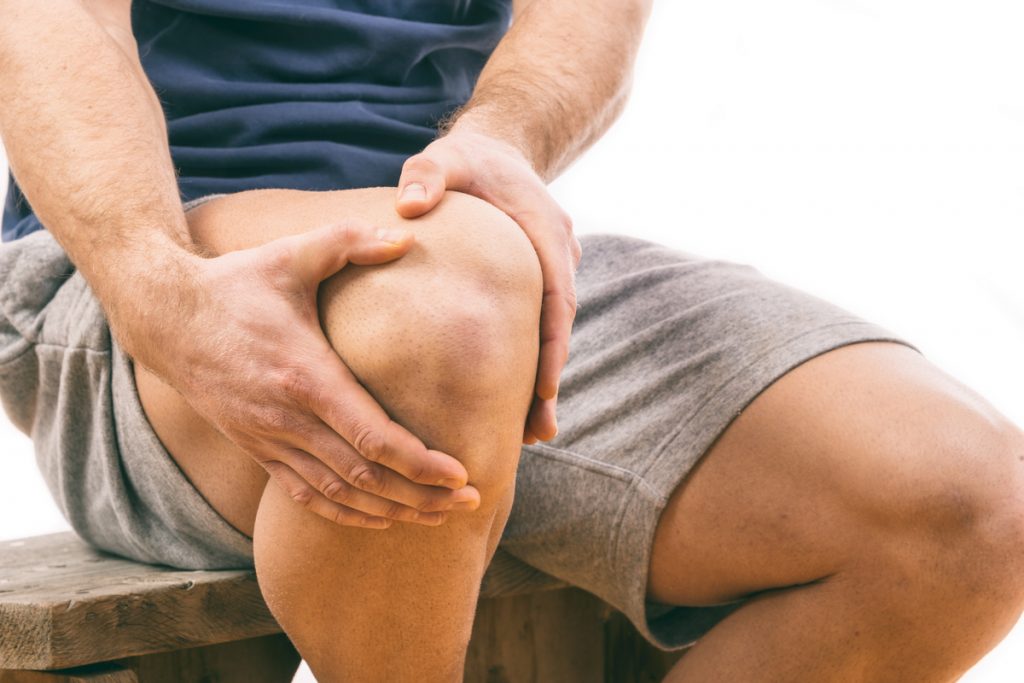
Reiter’s syndrome – reactive arthritis
Reiter’s syndrome was named after a German military doctor Hans Reiter who was the first to observe and describe these changes- combination… Read article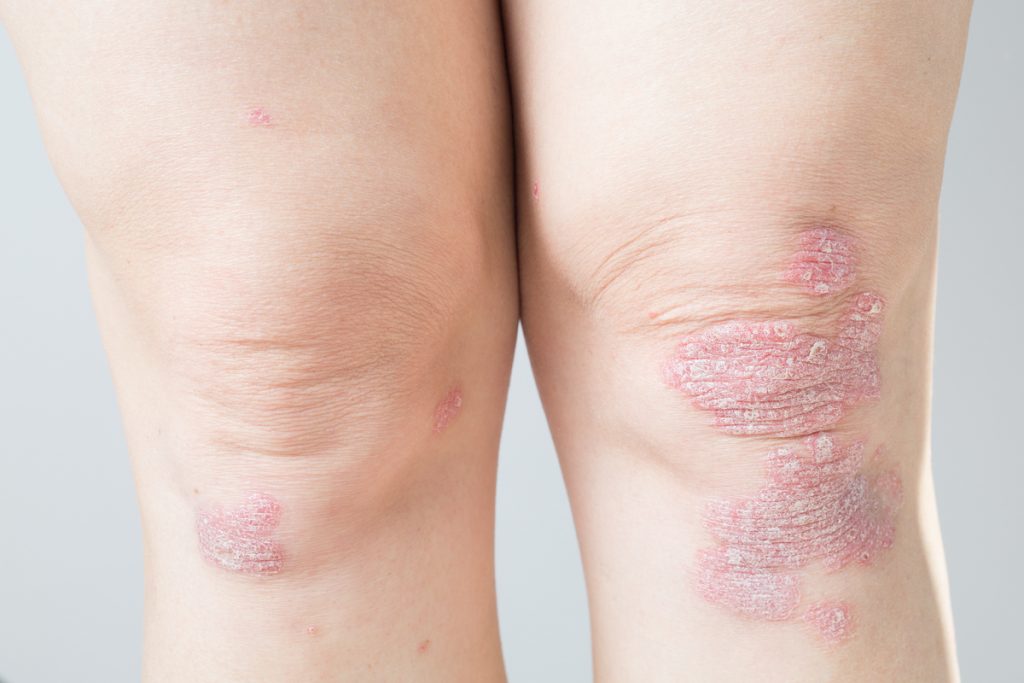
Psoriatic arthritis
Psoriatic arthritis is an inflammatory condition where polyarthritis is joined with psoriasis (a skin disease). It can spread from peripheral joints to… Read article
Ankylosing spondylitis (Bechterew’s disease)
Ankylosing spondylitis (Bechterew’s disease) is inflammatory rheumatic disease which leads to connective tissue ossification. It encompasses sacroilliac joints, spine joints, costovertebral and costotransversal… Read article
Fibromyalgia – rheumatism outside of joint
Fibromyalgia is a form of rheumatism outside of joints, expressed through pain and immobility. More areas of osteomuscular system are affected, like… Read article
Chronic juvenile arthritis – juvenile idiopatic arthritis
Chronic juvenile arthritis is inflammation of the joints present in children and younger people of both sexes. More than 1% of children… Read articleFind answers faster
Looking for a specific topic?
Search professional articles, treatment methods, injuries and medical terms in one place.
Practical guidance about nutrition and healthy habits.
Nutrition
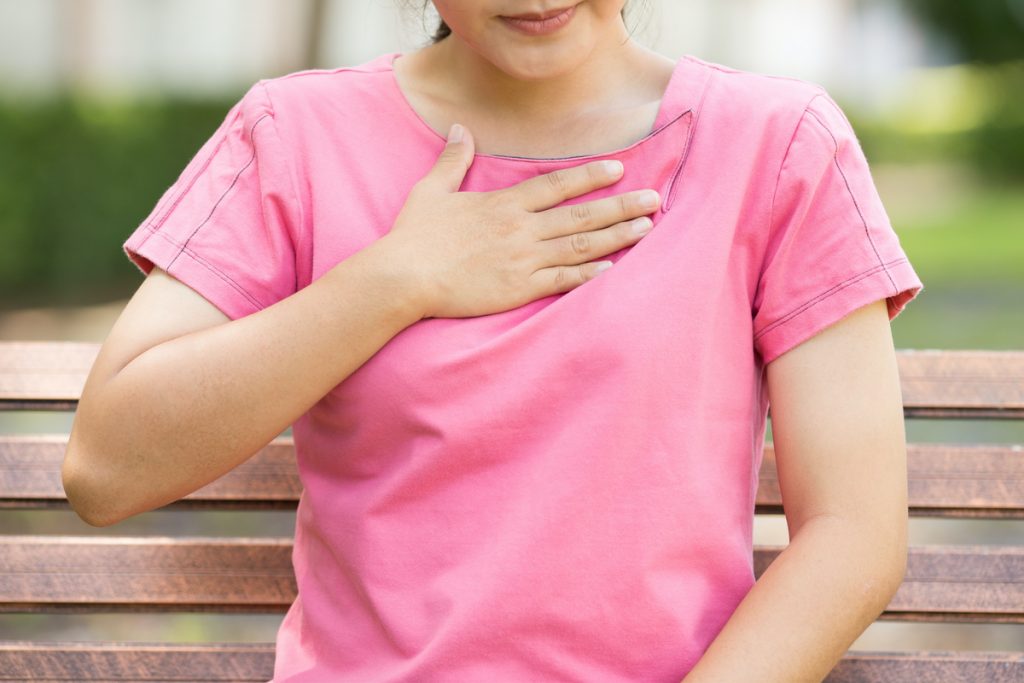
Nutrition for gastritis and heartburn
Extra acid in the stomach causes discomfort and can return to the oesophagus, resulting in heartburn and discomfort in the chest. Some… Read article
How to lose weight with certain supplements
How can certain dietary supplements help with weight loss: green tea, guarana and bitter orange. Green tea Reduces lypogenesis Enhances thermogenesis (creating heat… Read article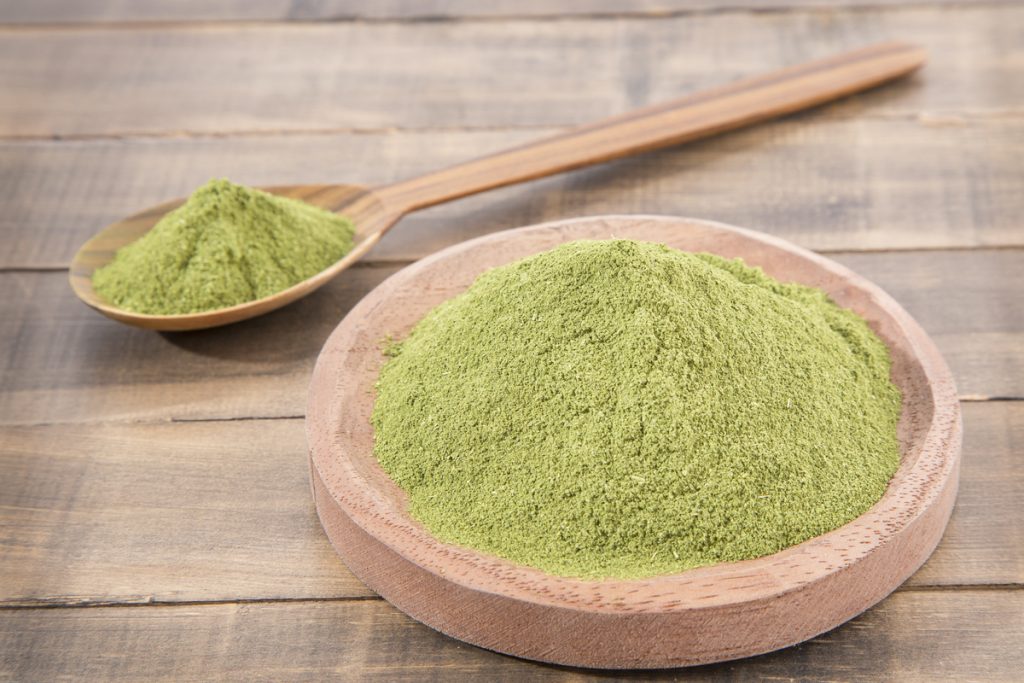
Green magma – your friend for good health
Doctor Hagiwara was proven to be very successful in his inventions of famous medications already in his youth. His dedicated work in… Read articleQuick, accessible explanations of medical terminology.
Medical dictionary
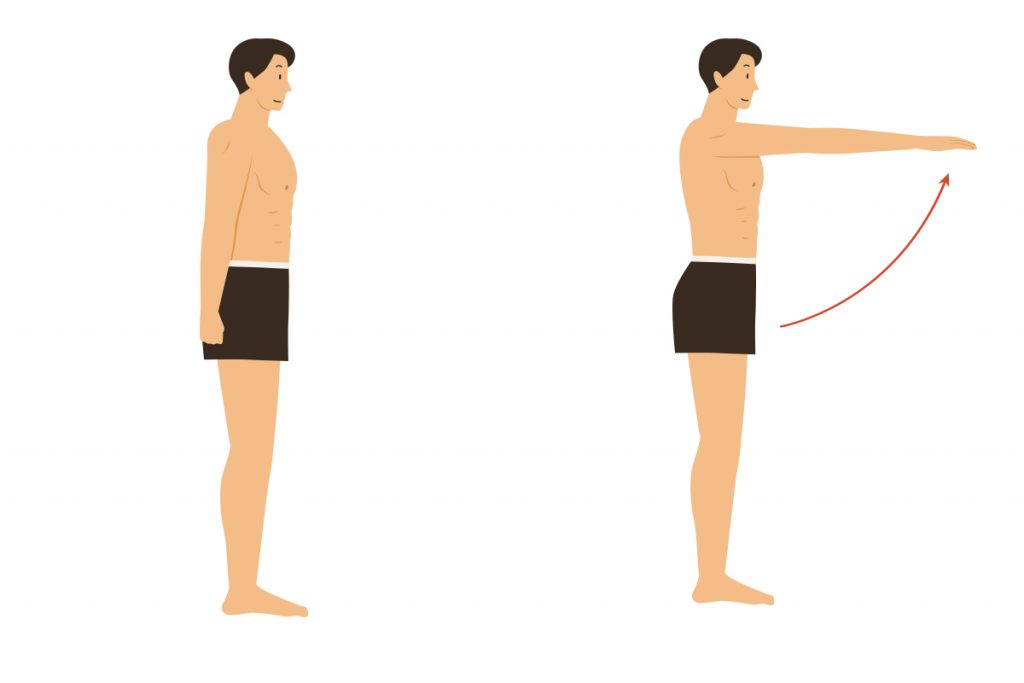
Flexion
Flexion means bending in the joint – for example, if you clench your fist, you flexed your fingers. Bending the knee is called knee flexion. Opposite… Read article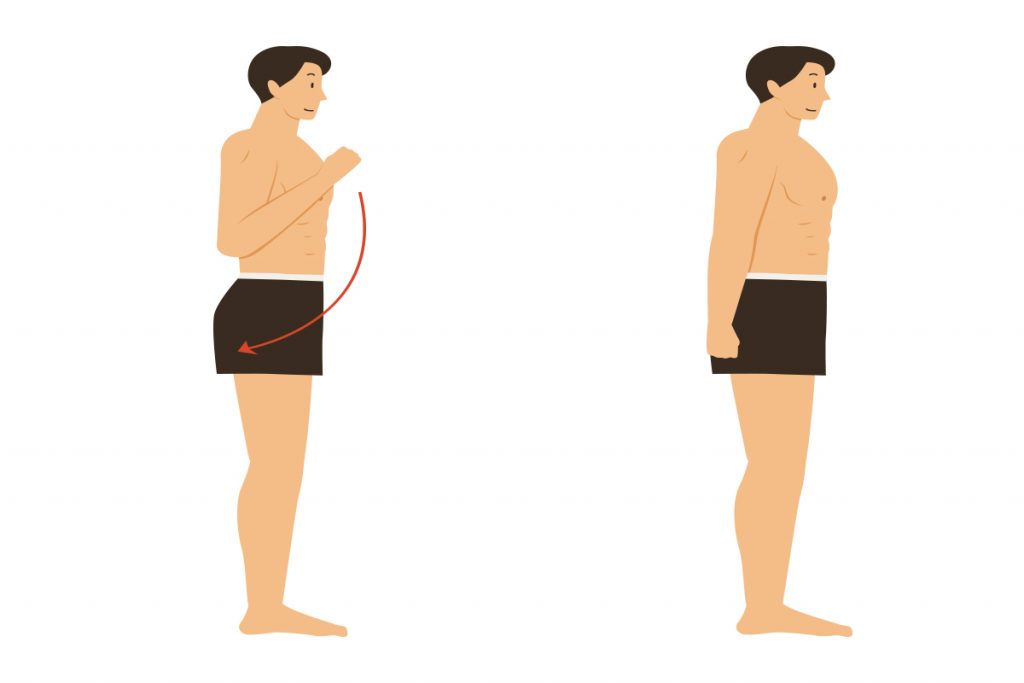
Extension
Extension is a movement occurring in the joint – for example, straightening the leg from the flexed knee position is extension. Opposite would be flexion Read articleDistal
Distal signifies the distance from reference point being compared. The foot is more distal from the knee, in reference to the trunk. Opposite would be proximal. Read articleAnterior
Anterior signifies the front of the frontal plane, in reference to the observed object. Opposite would be posterior. Read article